

All rights reserved by the author
Date: 23/09/2025
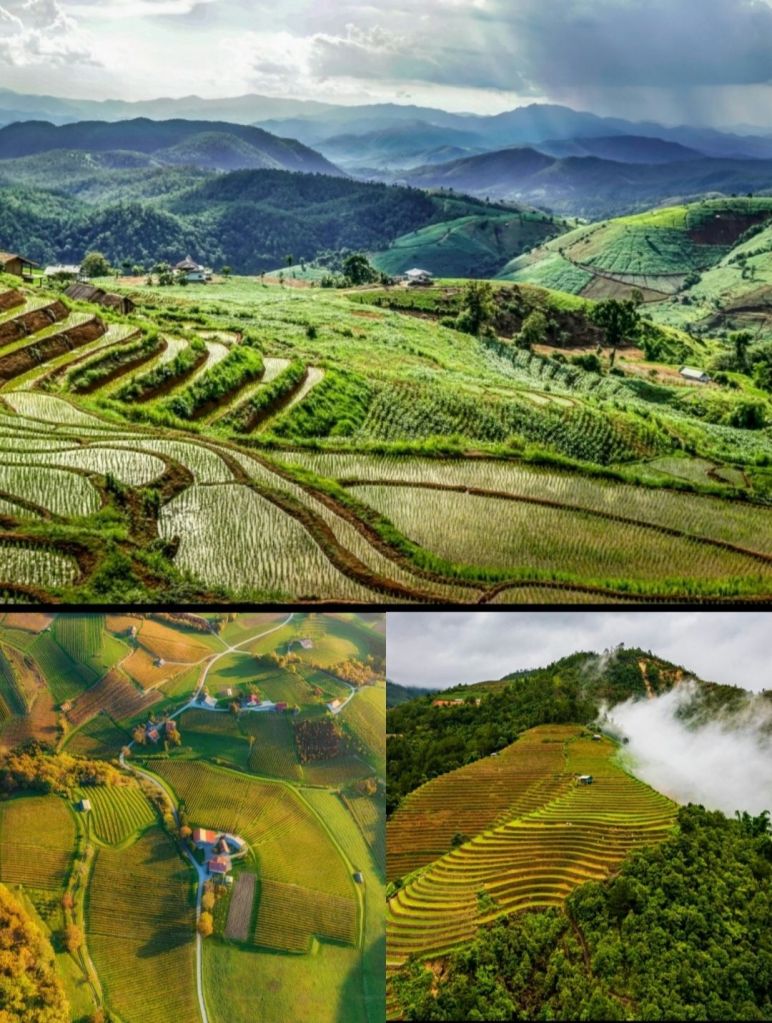
Across Southeast Asia, Vietnam is quietly transforming its countryside. For decades, rice paddies defined its agricultural image. But now, the nation is balancing tradition with diversification. Coffee, pepper, cashews, and aquaculture are rising as major contributors to rural income. In the central highlands, smallholder farmers are finding stability by shifting from mono-crop rice farming to mixed plantations that include fruits and spices.
What makes Vietnam’s progress noteworthy is the blend of local resilience and global adaptation. Farmers are embracing drip irrigation, organic inputs, and smart mobile-based advisories. Cooperative models, once fragile, are gaining ground with state support, connecting farmers directly to exporters.
The shift is not only economic but also social. Younger generations, once migrating to cities, are returning to family farms equipped with digital skills. This creates a fusion of old wisdom and new technology. Challenges remain—climate shifts, market volatility, and land fragmentation—but Vietnam is setting an example for how a Southeast Asian country can modernize agriculture while keeping its roots intact.
Rajat Chandra Sarmah
Instagram: @rajatchandrasarmah5
YouTube: @converse with a smile
 musingofrajat.wordpress.com