

All rights reserved by the author.
22/11/2025
In Jeonju, an elderly woman leans over a clay jar buried halfway in the ground. She lifts the lid the way one opens a family diary — slowly, reverently, certain that something alive waits inside.
For South Koreans, kimchi is not merely food. It is patience shaped into taste, memory sealed in salt.
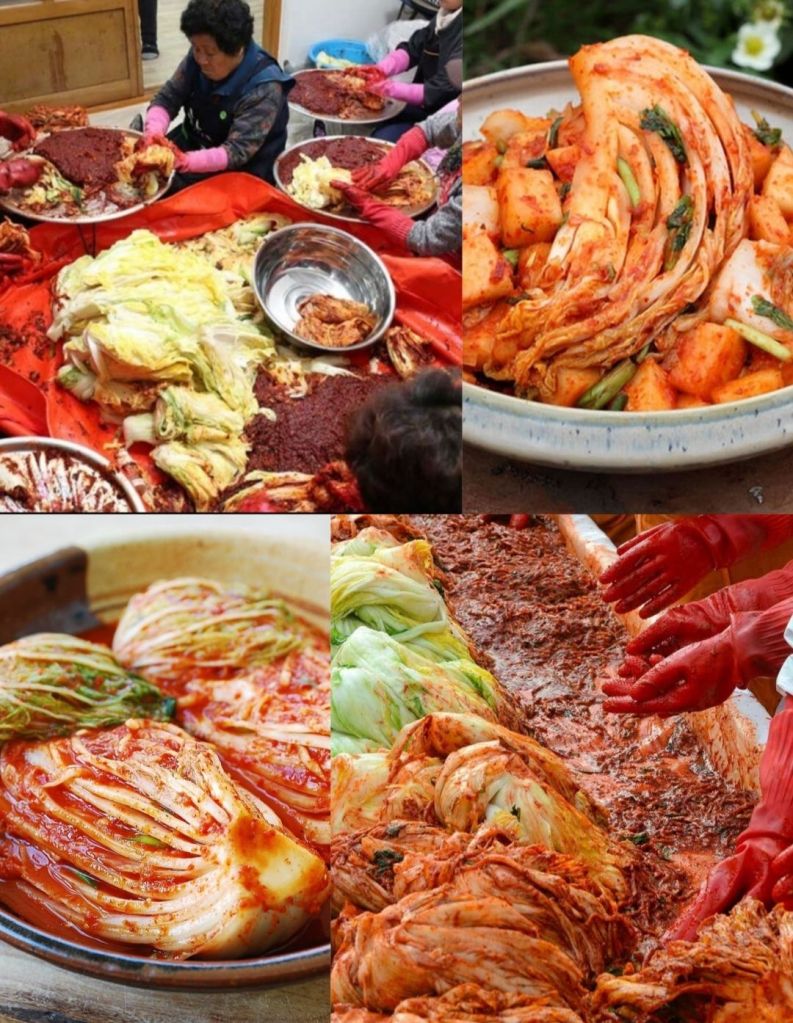
Every winter, families gather for kimjang, the ritual of preparing kimchi together. Children carry cabbage like treasures. Women talk of summers long gone. Old men sit nearby, telling stories as red pepper stains everyone’s hands.
What fills Koreans with pride is not the flavour alone, but the idea behind it — that good things require time, people, and shared effort.
In a world that races without pause, these old jars stay rooted: quietly fermenting, quietly teaching that depth comes only to what is allowed to rest.
Rajat Chandra Sarmah
Guwahati, Assam, India
Instagram @rajatchandrasarmah5
YouTube @conversewithasmile
 musingofrajat.wordpress.com