An engineer by Profession. Best Emerging author of Kolkotta book carnival 24 and Golden book award for his book A SANGUINE TALE Unfolding The Life of a Project Engineer. My second book A New Dawn Adventure in the Golden years is a Amazon Best seller No #1.The short story story collection Whisper of Diverse tale and Behind the headlines , a thriller are my latest addition to my publications. A Symphony of Life , a collection of Poem is due to be released shortly .I co authored in a numbers of Anthologies
All Rights Reserved by the Author | 11 November 2025
There are places where the earth doesn’t just exist — it breathes. Zambia is one such wonder. Dawn breaks not with alarm clocks, but with the soft rumble of distant drums and the call of unseen birds. The air feels ancient, scented with dust, river, and story. Here, silence speaks. The horizon stretches endlessly, yet every breeze carries whispers of belonging. You start to feel small, not from insignificance, but from awe — that you’re part of something much larger, something wild and alive. Take a pause today. Listen — maybe your heartbeat is not so different from that of the land.
Rajat Chandra Sarmah Guwahati, Assam, India Instagram: @rajatchandrasarmah YouTube: @conversewithasmile
All Rights Reserved by the Author Date: 10 November 2025
The day sends out letters — some opened, some forgotten. But evenings? They prefer messages — brief, quiet, and true. No long speeches, no signatures, just small notes of light.
A lamp flickers on the table. The breeze reads it softly. Someone far away types a message, deletes it, then smiles. The sky replies with a faint orange heart before it fades.
In this hour, the world stops performing. Even the roads sound tired of their own noise. It’s the hour to listen, not to answer.
Let your thoughts go unread for a while. The night will understand — it always does.
Rajat Chandra Sarmah Guwahati, Assam, India Instagram: @rajatchandrasarmah YouTube: @conversewithasmile
All Rights Reserved by the Author Date: 10 November 2025
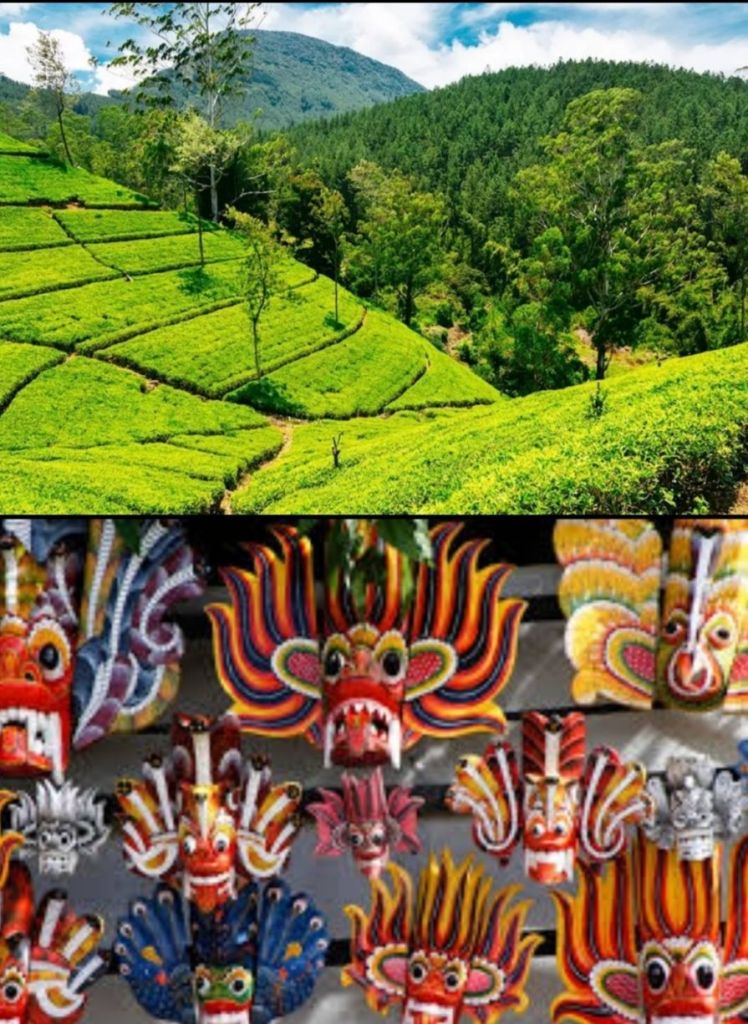
Ceylon — a word that still rings with quiet pride. Sri Lanka’s beauty isn’t just in its landscapes, but in how the island holds time like a memory made of light.
From the blue brilliance of Ceylon sapphires in Ratnapura to the handcrafted masks of Ambalangoda painted with myth and rhythm — every creation here feels alive with tradition.
The Hill Country tea estates of Nuwara Eliya shimmer in mist, while Sigiriya Rock Fortress, Anuradhapura, and Polonnaruwa speak in the language of stones — steady, sacred, eternal.
As the Nile of the East, Sri Lanka flows with grace — through its handlooms, batiks, and soft golden sands. The world comes here not just to see, but to feel remembered.
Rajat Chandra Sarmah Guwahati, Assam, India Instagram: @rajatchandrasarmah YouTube: @conversewithasmile
All Rights Reserved by the Author Date: 10 November 2025
It wasn’t the alarm or the sun that woke me today. It was the coffee — whispering from the cup, rising in quiet spirals like small thoughts made visible.
It said, “Begin softly. The world is still half-asleep.” No slogans, no hurry. Just a warm breath of being. Outside, birds wrote their own kind of poetry on the wind, and the morning decided to be kind for no reason at all.
Maybe that’s how days should begin — not with plans, but with a pause that smells of peace.
Rajat Chandra Sarmah Guwahati, Assam, India Instagram: @rajatchandrasarmah YouTube: @conversewithasmile
All Rights Reserved by the Author Date: 9 November 2025
The day sends out letters — some opened, some forgotten. But evenings? They prefer messages — brief, quiet, and true. No long speeches, no signatures, just small notes of light.
A lamp flickers on the table. The breeze reads it softly. Someone far away types a message, deletes it, then smiles. The sky replies with a faint orange heart before it fades.
In this hour, the world stops performing. Even the roads sound tired of their own noise. It’s the hour to listen, not to answer.
Let your thoughts go unread for a while. The night will understand — it always does.
Rajat Chandra Sarmah Guwahati, Assam, India Instagram: @rajatchandrasarmah YouTube: @conversewithasmile
All rights reserved by the author Date – 9 November 2025
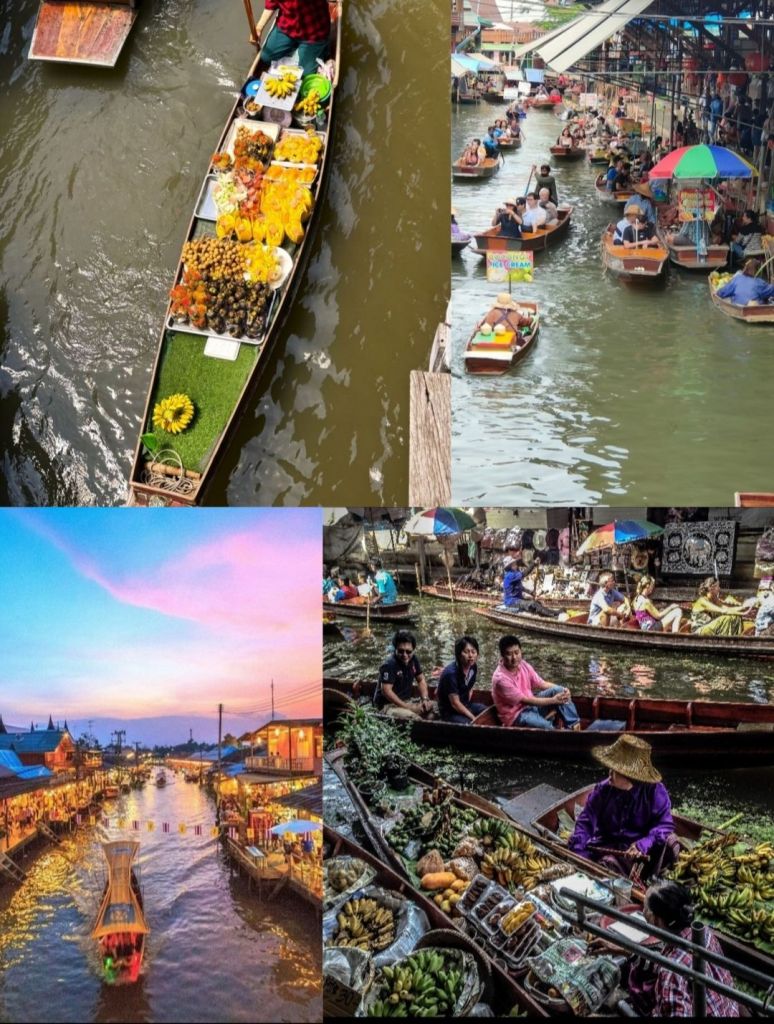
There’s something almost poetic about Thailand’s floating markets. Wooden boats glide through narrow canals, piled high with coconuts, papayas, spices, and bright lotus flowers. You hear laughter, a call for fresh mango, the soft clink of coins—and for a moment, the market becomes a floating carnival.
From Damnoen Saduak near Bangkok to Amphawa by the Mae Klong River, each market carries its own rhythm of life. Tourists drift by with cameras, locals shop for lunch, and somewhere a vendor balances a bowl of steaming noodles in one hand and a smile in the other. Further north, in Chiang Mai, the charm shifts—lantern-lit nights, golden temples, and quiet monks moving through dawn mist. Thailand’s essence lies in this balance of energy and peace, of commerce and calm. On these waters and streets, life moves gently, yet never stands still.
Rajat Chandra Sarmah Guwahati, Assam, India Instagram @rajatchandrasarmah5 YouTube @conversewithasmile
Sometimes it’s not the big victories that shape us, but the tiny, quiet wins. The day you finally wake before the alarm. The moment you say “no” without guilt. The decision to smile when things don’t go as planned. Life rewards such subtleties with peace. Take a pause—not to rest, but to notice. Because the courage to continue often hides in the simplest, most ordinary acts.
Rajat Chandra Sarmah, Guwahati, Assam, India Instagram: @rajatchandrasarmah YouTube: @conversewithasmile
All rights reserved by the author | 8 November 2025
Evening is not a full stop; it’s a comma. It doesn’t end the day — it slows it down so we can catch our breath before tomorrow begins. The sky, in its fading colors, reminds us that endings can be soft, too.
The world outside may still rush — traffic lights, messages, deadlines — but somewhere between all that noise, evening gives us a corner of calm. Maybe you sit by the window, or walk a little slower, or simply breathe deeper. That’s all it takes.
Peace is rarely found in grand gestures. It hides in ordinary things — a dim light, a quiet cup, a song you half remember. And that’s the kind of silence worth earning: one that doesn’t isolate, but restores.
Rajat Chandra Sarmah Guwahati, Assam, India Instagram @rajatchandrasarmah5 YouTube @conversewithasmile
All rights reserved by the author | 8 November 2025
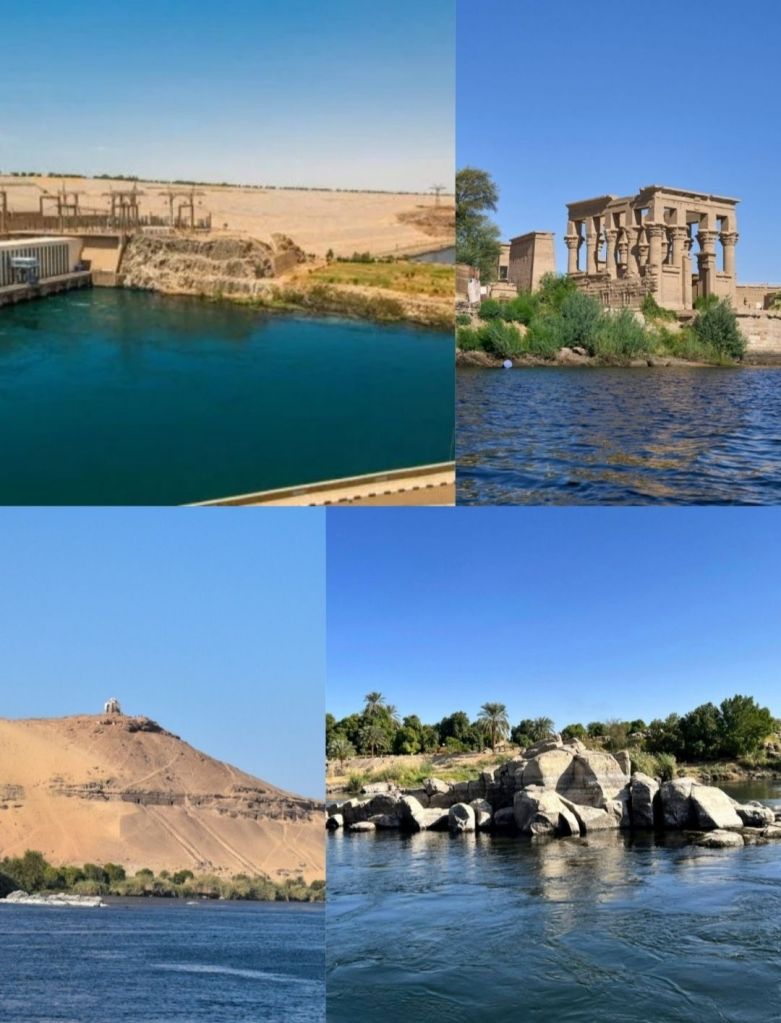
There are rivers that move through land, and there are rivers that move through time. The Nile belongs to the second kind. From the granite strength of the Aswan High Dam, built with Russian collaboration in the 1960s, this ancient river continues its long conversation with Egypt. It carries not only water but whispers — of pharaohs and poets, of temples and revolutions, of all that has been dreamt and endured.
A modern cruise begins from Aswan, where the dam rises like a curtain between eras. From there, the ships glide north, slow and deliberate, tracing the same path once followed by papyrus boats and royal barges. The deck becomes a moving balcony to history. Every few hours, the landscape changes — palm groves give way to stretches of golden desert, minarets shimmer in the distance, and the river bends toward stories waiting to be retold.
The ship halts at Kom Ombo, where a temple dedicated to two gods — Sobek, the crocodile, and Horus, the falcon — watches over the water with timeless patience. Further ahead lies Edfu, one of the best-preserved temples of Egypt, its massive columns casting long shadows across the noon light. By evening, the cruise reaches Luxor, where the Valley of Kings hides the resting places of pharaohs beneath a quiet sky.
Between these stops, one unforgettable moment awaits every traveler — the ship enters a narrow waterway where the river’s level suddenly drops. Engineers control massive gates that lower the vessel from one elevation to another, letting it pass safely between dams. As the walls rise on both sides and water slowly recedes, passengers often stand in silence, feeling time itself adjusting its rhythm.
When the ship finally emerges, the Nile seems wider, calmer — as if it too had paused to remember. The sun dips low, brushing the surface with liquid gold. Somewhere beyond the bend, Cairo waits. And in that glowing hour, one understands why Egypt’s heart still beats in sync with its river — because the Nile doesn’t just flow through land; it flows through memory.
Rajat Chandra Sarmah Guwahati, Assam, India Instagram @rajatchandrasarmah5 YouTube @conversewithasmile