Lush green fields and serene landscapes lay the village of Sundarpur. Sundarpur had been a beacon of simplicity and tradition for generations, untouched by the rapid industrialisation sweeping across the nation. The villagers lived in harmony with nature, their lives intertwined with the rhythms of the seasons. This peace, however, was soon to be tested.Pratim, a young and idealistic engineer, had recently returned to Sundarpur after completing his studies in the bustling city of Chennai. The city had offered him a world of opportunities, but it had also made him yearn for the tranquillity and warmth of his village. As he walked through the familiar paths, greeting old friends and neighbours, he felt a sense of belonging he hadn’t experienced in the concrete jungle. The mango orchards, the sound of the temple bells, and the sight of women drawing water from the well brought back memories of his carefree childhood.One evening, as Pratim sat under the ancient banyan tree at the centre of the village, he noticed a group of villagers gathered around a stranger. The man, dressed in a crisp suit, seemed out of place in Sundarpur’s rustic setting. Pratim approached the crowd, curiosity piqued.”Who is he?” Pratim whispered to Sita, his childhood friend who stood nearby.”That’s Mr. Verma,” Sita replied, her voice tinged with concern. “He represents a big corporation that wants to build a manufacturing plant here.”Mr Verma, with his polished demeanour and persuasive speech, promised prosperity and jobs. “This development will bring Sundarpur into the modern era,” he declared. “We will build schools, and hospitals, and provide employment for everyone.”The villagers murmured among themselves, weighing the promise of economic growth against their way of life. Some, especially the younger ones, were excited about the prospects of new opportunities. Others, like the village elders, were wary of the changes this development might bring.Later that night, Pratim sat with his parents, discussing the day’s events. “What do you think, Baba?” he asked his father, one of the village elders.His father sighed, his weathered face reflecting years of wisdom. “Progress is necessary, Pratim, but it should not come at the cost of our heritage and environment. We must find a balance.”Pratim’s mother, a woman of few words, added, “Our ancestors have lived here for generations. We owe it to them to protect this land.”The next day, a village meeting was called. The air was thick with anticipation as the villagers gathered in the open field. Pratim decided to speak up. “Mr. Verma’s proposal sounds promising, but we must consider the impact on our environment and our way of life. We should not rush into this decision.”Sita, standing beside him, added passionately, “Our village is more than just land. It’s our home, our culture. We need to preserve it.”Mr. Verma, sensing the resistance, tried to assuage their fears. “We will take all necessary precautions to protect the environment. Our aim is to uplift Sundarpur, not destroy it.”Despite his reassurances, the village remained divided. Days turned into weeks, and the tension in Sundarpur grew. Construction began on the outskirts, and the first signs of environmental degradation started to appear. The once-clear river began to show signs of pollution, and the air was tinged with the smell of chemicals.One evening, as Pratim walked along the riverbank, he found Sita sitting alone, her face etched with worry. “We can’t let this continue,” she said, her voice trembling. “We have to do something.”Pratim nodded. “We need to present a sustainable alternative. One that balances progress with preservation.”Together, they approached the village council with a proposal for sustainable development. They suggested eco-friendly practices, renewable energy sources, and a community-driven approach to modernization. It was a daunting task, but they believed it was the best way forward.The council deliberated, and after much discussion, they agreed to present the proposal to Mr. Verma. The meeting was tense, with emotions running high. Pratim and Sita presented their case passionately, highlighting the long-term benefits of sustainable development.Mr. Verma listened intently. After a long silence, he spoke. “Your proposal is ambitious and idealistic. But it has merit. We are willing to consider it if the community supports it.”The villagers, seeing the sincerity and dedication of Pratim and Sita, rallied behind them. They organized community meetings, educating everyone about the benefits of sustainable development. Slowly, the tide began to turn.Months passed, and the once-divided village started to work together towards a common goal. The construction site was transformed, incorporating eco-friendly technologies and practices. The river, once polluted, began to heal, thanks to the efforts of the community.One evening, as the sun set over Sundarpur, the villagers gathered under the banyan tree to celebrate their success. Pratim and Sita stood together, looking out at the smiling faces of their friends and neighbours.”We did it,” Sita said, her eyes shining with pride.Pratim smiled. “Yes, we did. But this is just the beginning. We have to keep working to ensure that progress and preservation go hand in hand.”As the celebrations continued, the villagers of Sundarpur realized that true progress was not just about economic growth, but about maintaining a balance between development and tradition, between the future and the past. And in this balance, they found their strength and unity.The story of Sundarpur became an inspiration for other villages facing similar dilemmas, a testament to the power of community and the importance of preserving one’s heritage while embracing the future.Pratim’s return to Sundarpur was a journey not just of miles but of time. As the bus rattled along the dusty road, he gazed out at the fields of golden wheat swaying in the breeze. The sight was a balm to his city-weary eyes. The noise, the crowds, the relentless pace of Mumbai seemed a distant memory here.His arrival was met with joyous celebrations. The entire village had gathered to welcome him back. The children, who remembered him as the young boy who climbed trees and played in the fields, ran around him, giggling. The elders, proud of his achievements, blessed him. And then there was Sita, her eyes twinkling with the same mischief and warmth he remembered.”It’s good to have you back, Pratim,” she said, handing him a garland of marigolds.”It’s good to be back, Sita,” he replied, feeling a wave of nostalgia.As they walked through the village, Pratim noticed the subtle changes. Some new houses had sprung up, and the small marketplace seemed busier. But the essence of Sundarpur remained untouched. The temple still stood as a sentinel of faith, the banyan tree as a witness to countless stories, and the river as a lifeline, nourishing the fields and the people.That night, as he lay on the charpoy under the open sky, the cool breeze carrying the scent of jasmine, Pratim felt a profound sense of peace. The stars seemed brighter here, closer, as if he could reach out and touch them. He realized how much he had missed this simple, unhurried life.The next morning, the tranquillity was disrupted by the arrival of Mr Verma. His sleek car, an anomaly in the village, drew curious stares. Word spread quickly, and soon a crowd gathered around him.Mr. Verma’s proposal was grand. He spoke of factories and schools, hospitals and roads. “This project will bring prosperity to Sundarpur,” he declared with conviction. “Think of the jobs, the education, the healthcare. Your children won’t have to leave for the city; the city will come to them.”The younger villagers, captivated by the promise of modernity, were quick to support the idea. “We need this,” said Ravi, a young farmer. “Our crops alone can’t sustain us forever. We need jobs, education.”But the elders, with their years of wisdom, were more cautious. “Progress is good,” said Pratim’s father, “but at what cost? Our land, our water, our air—these are our lifelines. We cannot risk them.”Pratim watched the debate unfold with a heavy heart. He understood both sides. The allure of development, the need for progress, but also the importance of preserving what made Sundarpur special.That evening, as the villagers dispersed, Pratim and Sita sat by the river, the moonlight reflecting off its surface. “What do you think, Pratim?” Sita asked, her voice filled with concern.”I think we need to find a way to balance both,” he replied. “We can’t stop progress, but we can guide it. We need to make sure it benefits everyone without destroying what we have.”Days turned into weeks, and the village remained divided. Mr. Verma’s team began preliminary work on the outskirts, surveying the land and preparing for construction. The changes were subtle at first—a few trees cut down, some soil turned over. But soon, the river, the lifeblood of Sundarpur, began to show signs of stress. Its once-clear waters were now tinged with murky pollution.The villagers grew anxious. The younger ones, who had initially supported the project, began to have second thoughts. “Is this really worth it?” Ravi muttered one day as he watched the river’s flow slow to a trickle.Pratim and Sita knew they had to act. They organized a meeting with the village council and presented their plan for sustainable development. The council deliberated, and after much discussion, they agreed to present the proposal to Mr. Verma. The meeting was tense,
with emotions running high. Pratim and Sita presented their case passionately, highlighting the long-term benefits of sustainable development.Mr. Verma listened intently. After a long silence, he spoke. “Your proposal is ambitious and idealistic. But it has merit. We are willing to consider it if the community supports it.”The villagers, seeing the sincerity and dedication of Pratim and Sita, rallied behind them. They organized community meetings, educating everyone about the benefits of sustainable development. Slowly, the tide began to turn.Months passed, and the once-divided village started to work together towards a common goal. The construction site was transformed, incorporating eco-friendly technologies and practices. The river, once polluted, began to heal, thanks to the efforts of the community.One evening, as the sun set over Sundarpur, the villagers gathered under the banyan tree to celebrate their success. Pratim and Sita stood together, looking out at the smiling faces of their friends and neighbors.”We did it,” Sita said, her eyes shining with pride.Pratim smiled. “Yes, we did. But this is just the beginning. We have to keep working to ensure that progress and preservation go hand in hand.”As the celebrations continued, the villagers of Sundarpur realized that true progress was not just about economic growth, but about maintaining a balance between development and tradition, between the future and the past. And in this balance, they found their strength and unity.Pratim’s return to Sundarpur was a journey not just of miles but of time. As the bus rattled along the dusty road, he gazed out at the fields of golden wheat swaying in the breeze. The sight was a balm to his city-weary eyes. The noise, the crowds, the relentless pace of Mumbai seemed a distant memory here.His arrival was met with joyous celebrations. The entire village had gathered to welcome him back. The children, who remembered him as the young boy who climbed trees and played in the fields, ran around him, giggling. The elders, proud of his achievements, blessed him. And then there was Sita, her eyes twinkling with the same mischief and warmth he remembered.”It’s good to have you back, Pratim,” she said, handing him a garland of marigolds.”It’s good to be back, Sita,” he replied, feeling a wave of nostalgia.As they walked through the village, Pratim noticed the subtle changes. Some new houses had sprung up, and the small marketplace seemed busier. But the essence of Sundarpur remained untouched. The temple still stood as a sentinel of faith, the banyan tree as a witness to countless stories, and the river as a lifeline, nourishing the fields and the people.That night, as he lay on the charpoy under the open sky, the cool breeze carrying the scent of jasmine, Pratim felt a profound sense of peace. The stars seemed brighter here, closer, as if he could reach out and touch them. He realized how much he had missed this simple, unhurried life.The next morning, the tranquility was disrupted by the arrival of Mr. Verma. His sleek car, an anomaly in the village, drew curious stares. Word spread quickly, and soon a crowd gathered around him.Mr. Verma’s proposal was grand. He spoke of factories and schools, hospitals and roads. “This project will bring prosperity to Sundarpur,” he declared with conviction. “Think of the jobs, the education, the healthcare. Your children won’t have to leave for the city; the city will come to them.”The younger villagers, captivated by the promise of modernity, were quick to support the idea. “We need this,” said Ravi, a young farmer. “Our crops alone can’t sustain us forever. We need jobs, education.”But the elders, with their years of wisdom, were more cautious. “Progress is good,” said Pratim’s father, “but at what cost? Our land, our water, our air—these are our lifelines. We cannot risk them.”Pratim watched the debate unfold with a heavy heart. He understood both sides. The allure of development, the need for progress, but also the importance of preserving what made Sundarpur special.That evening, as the villagers dispersed, Pratim and Sita sat by the river, the moonlight reflecting off its surface. “What do you think, Pratim?” Sita asked, her voice filled with concern.”I think we need to find a way to balance both,” he replied. “We can’t stop progress, but we can guide it. We need to make sure it benefits everyone without destroying what we have.”Days turned into weeks, and the village remained divided. Mr. Verma’s team began preliminary work on the outskirts, surveying the land and preparing for construction. The changes were subtle at first—a few trees cut down, some soil turned over. But soon, the river, the lifeblood of Sundarpur, began to show signs of stress. Its once-clear waters were now tinged with murky pollution.The villagers grew anxious. The younger ones, who had initially supported the project, began to have second thoughts. “Is this really worth it?” Ravi muttered one day as he watched the river’s flow slow to a trickle
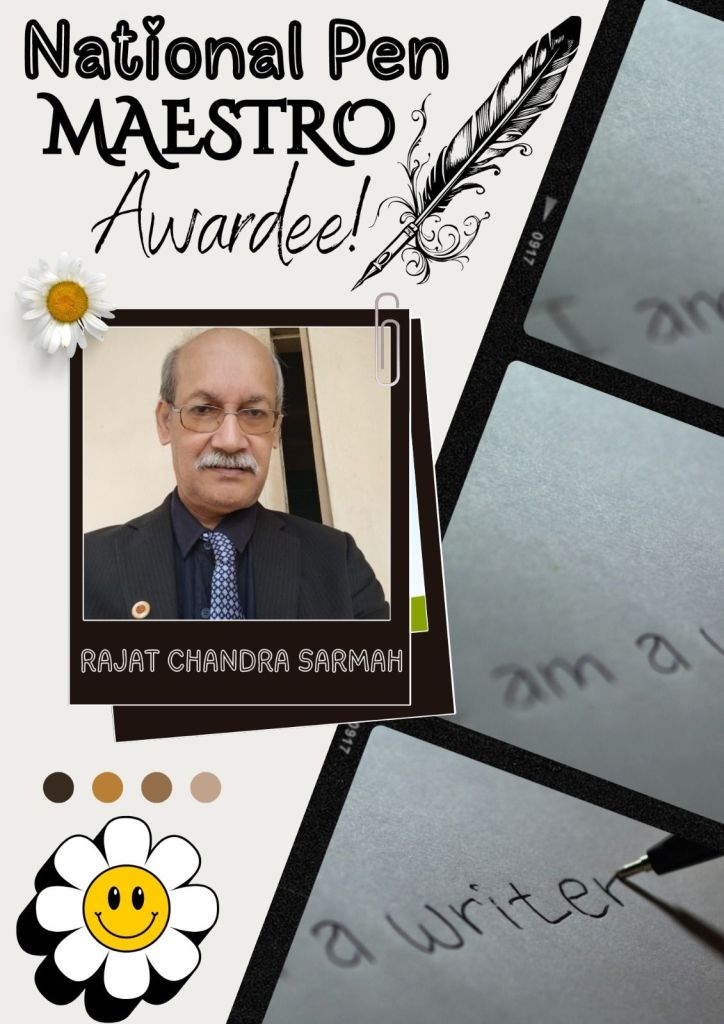
Rajat Chandra Sarmah
01/08/2024
Guwahati , Assam , INDIA
Mail ID: rajatchandrasarmah@gmail.com
Instagram : @rajatchandrasarmah5