

Indonesia and Bali: A Comprehensive:
An overview :
( C )ALL RIGHTS RESERVED BY THE AUTHOR
Instagram : @rajatchandrasarmah5


Overview
Geographical and Demographic Context
Indonesia, an expansive archipelago in Southeast Asia, comprises over 17,000 islands, with Bali being one of its most renowned. Covering approximately 5,780 square kilometers, Bali represents a mere 0.3% of Indonesia’s total landmass. Despite its modest size, Bali is home to about 4.3 million people, accounting for 1.4% of the nation’s population.
Livelihoods and Economic Activities
Traditionally, agriculture has been the backbone of Bali’s economy, with many locals engaged in rice cultivation, fishing, trading, and craftsmanship. In recent decades, tourism has surged to the forefront, becoming a pivotal source of income. As of 2018, it was estimated that around 50% of the island’s population was involved in or reliant on tourism-related activities.
Architectural Heritage
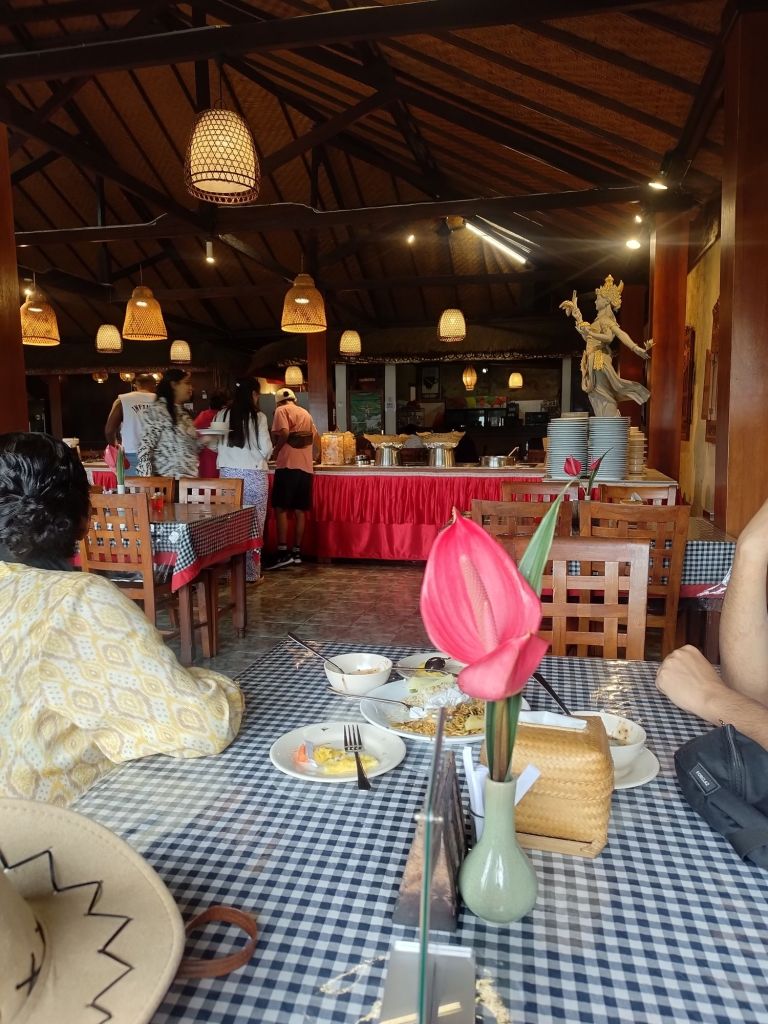
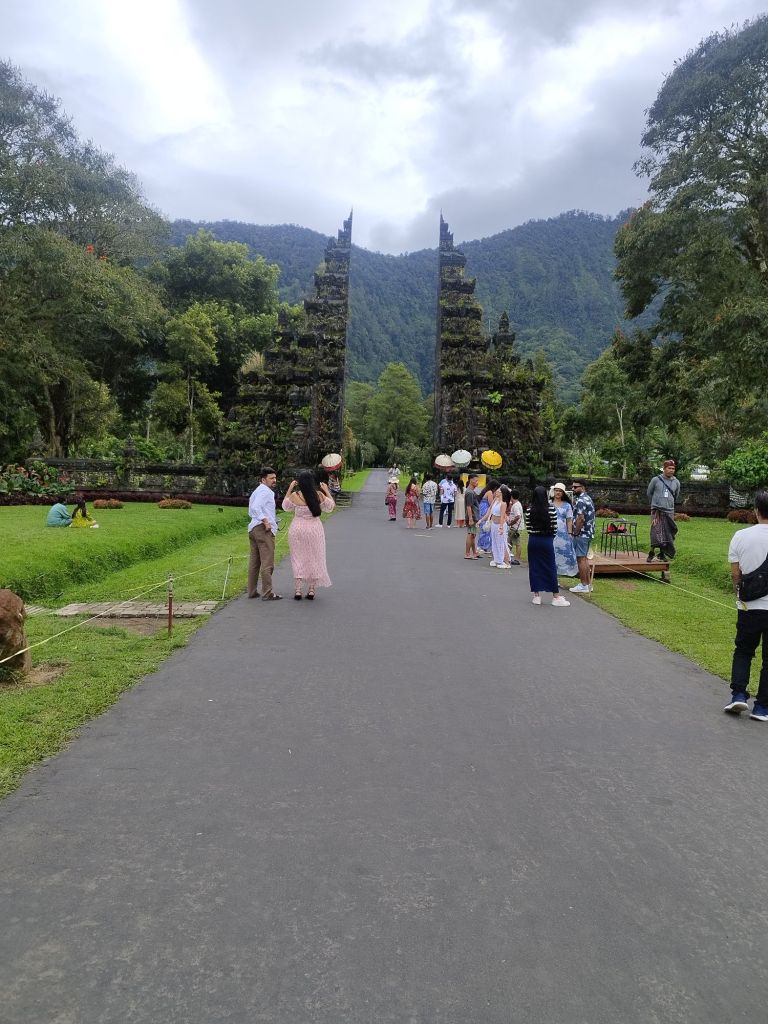
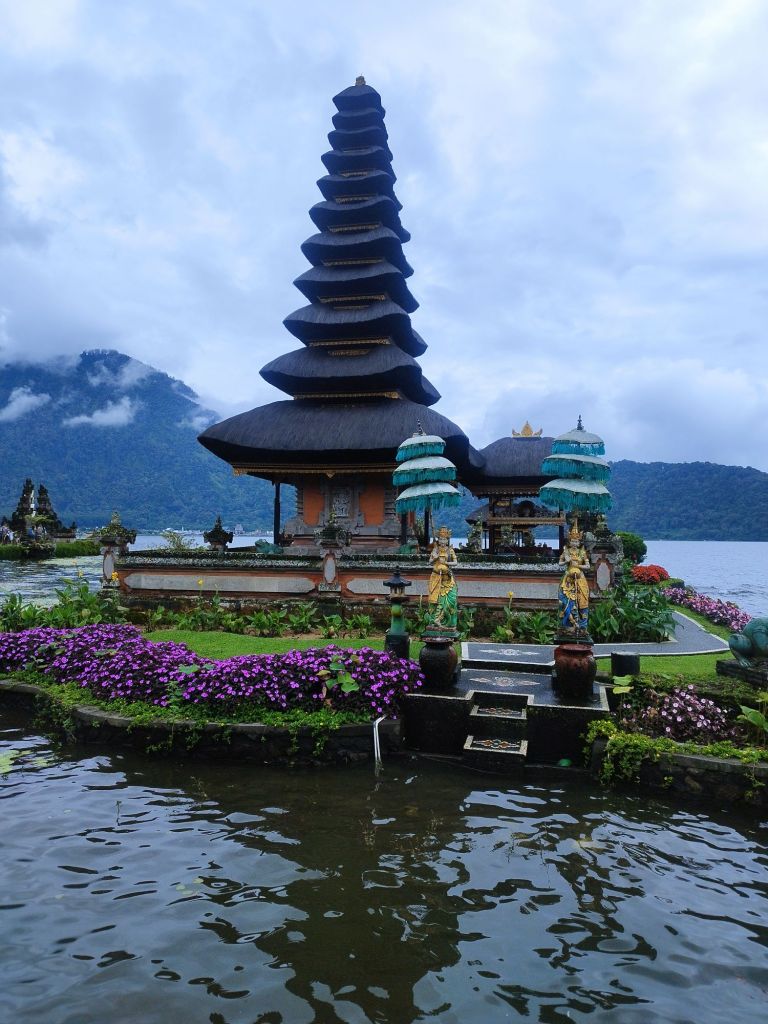
Bali’s architecture is a harmonious blend of tradition and nature. Traditional Balinese houses and gates often feature materials such as bamboo, thatch, and stone, reflecting a deep connection to the environment. Design elements emphasize axis symmetry and integration with the surrounding landscape, embodying sacred religious ideals.
Tourism: The Lifeblood of Bali
Tourism has been instrumental in Bali’s development. The island’s allure—stemming from its rich culture, stunning landscapes, and warm hospitality—has attracted millions of visitors annually. In 2019, Bali welcomed six million international tourists, underscoring its status as Indonesia’s premier tourist destination.
Indonesia’s Ascendancy in Global Politics
On the global stage, Indonesia has emerged as a significant player. As the world’s third-largest democracy and the tenth-largest economy by purchasing power, it wields considerable influence. Indonesia’s foreign policy is characterized by a commitment to democracy and a desire for autonomy, often navigating a middle path between major powers. Its active participation in international forums, such as the Association of Southeast Asian Nations (ASEAN), underscores its role in regional stability and global diplomacy.
Historical Context
Indonesia’s journey from colonial rule to independence in 1945 has shaped its national identity and foreign policy. The nation’s emphasis on “independent and active” diplomacy reflects its historical experiences and aspirations for sovereignty and regional leadership.
Conclusion
Bali, while a small part of Indonesia’s vast archipelago, plays a significant role in the nation’s cultural and economic landscape. Its unique blend of traditional livelihoods, architectural heritage, and booming tourism industry offers a microcosmic glimpse into Indonesia’s rich diversity and dynamic growth. Concurrently, Indonesia’s rising prominence in global politics highlights its strategic importance and evolving role on the world stage. ( To be Continued )
All data are taken from Google , tourist information S brochures etc .
Rajat Chandra Sarmah
Camp : Bali , Indonesia
24/01/2025

